MS Fridtjof Nansen Vs MS Roald Amundsen: Which HX Sister Ship?
 By Oleg G.
Two sister ships, one fleet, fares a few hundred dollars apart: the real differences between HX's MS Fridtjof Nansen and MS Roald Amundsen come down to routes, departure dates and build year, not hardware.
Quick answer: MS Fridtjof Nansen (built 2020) and MS Roald Amundsen (built 2019) are HX Expeditions sister ships, each carrying 490 guests. A fare read from the operator's listing showed Peninsula-area voyages from $10,485 per person on Nansen and from $10,863 on Amundsen. The choice comes down to itinerary length, departure port and dates, since onboard hardware is near-identical.
Quick Facts Side By Side
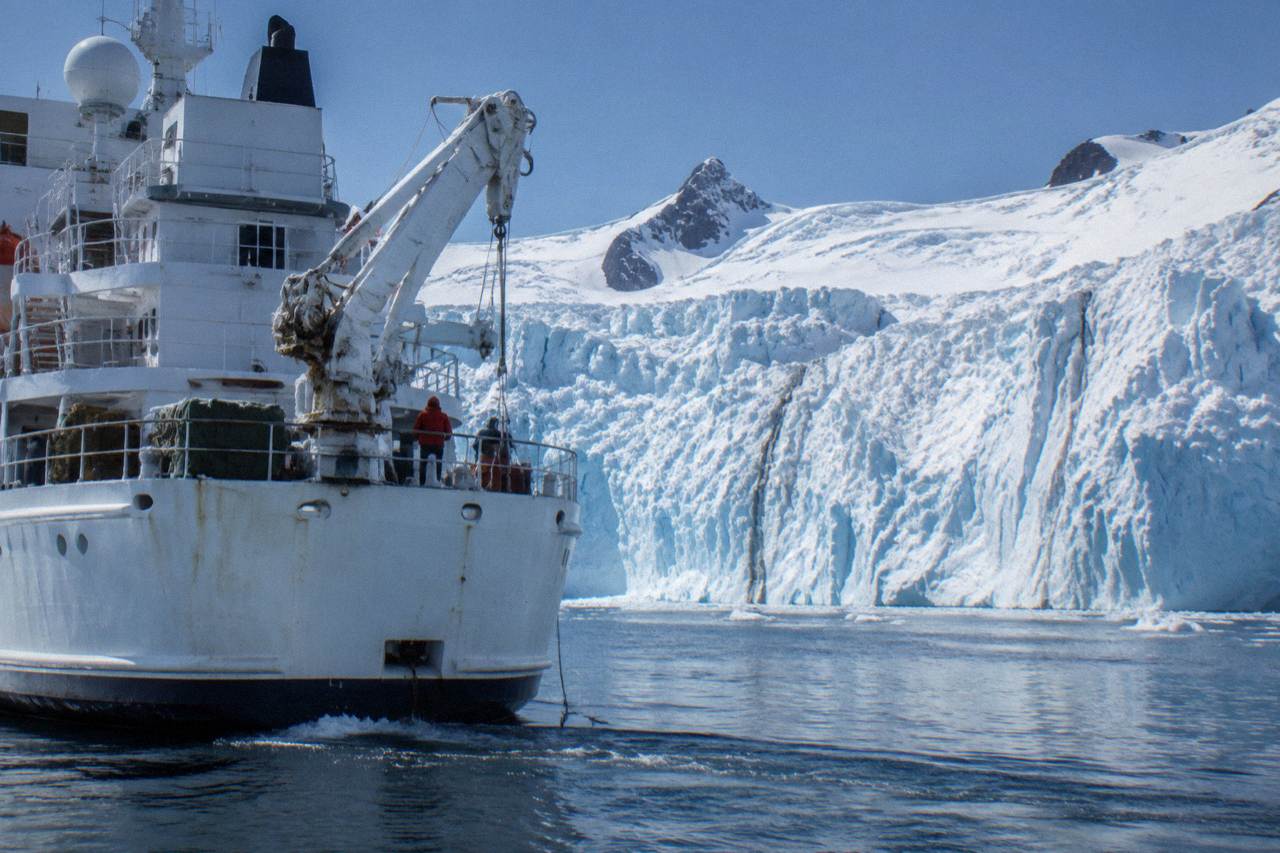
These are sister ships built a year apart, and the operator's pages describe them in almost the same words: 490 guests each, the same restaurants, the same Science Centre and pool. The practical difference is the schedule. Nansen sails longer Falklands-inclusive routes from Valparaíso and Buenos Aires, Amundsen concentrates on 12- and 16-day Peninsula departures, and a fare read from the operator's listing put the lowest voyages roughly $400 per person apart.
The Cruises In Antarctica roster records both ships as standard expedition class with 490 passengers, the largest guest counts among the expedition ships listed on this site. Roald Amundsen was built in 2019, Fridtjof Nansen in 2020, and both fly the HX (Hurtigruten Expeditions) flag. Neither ship page states an ice class, so nothing can be said on that point beyond the absence of a published figure.
| Specification | 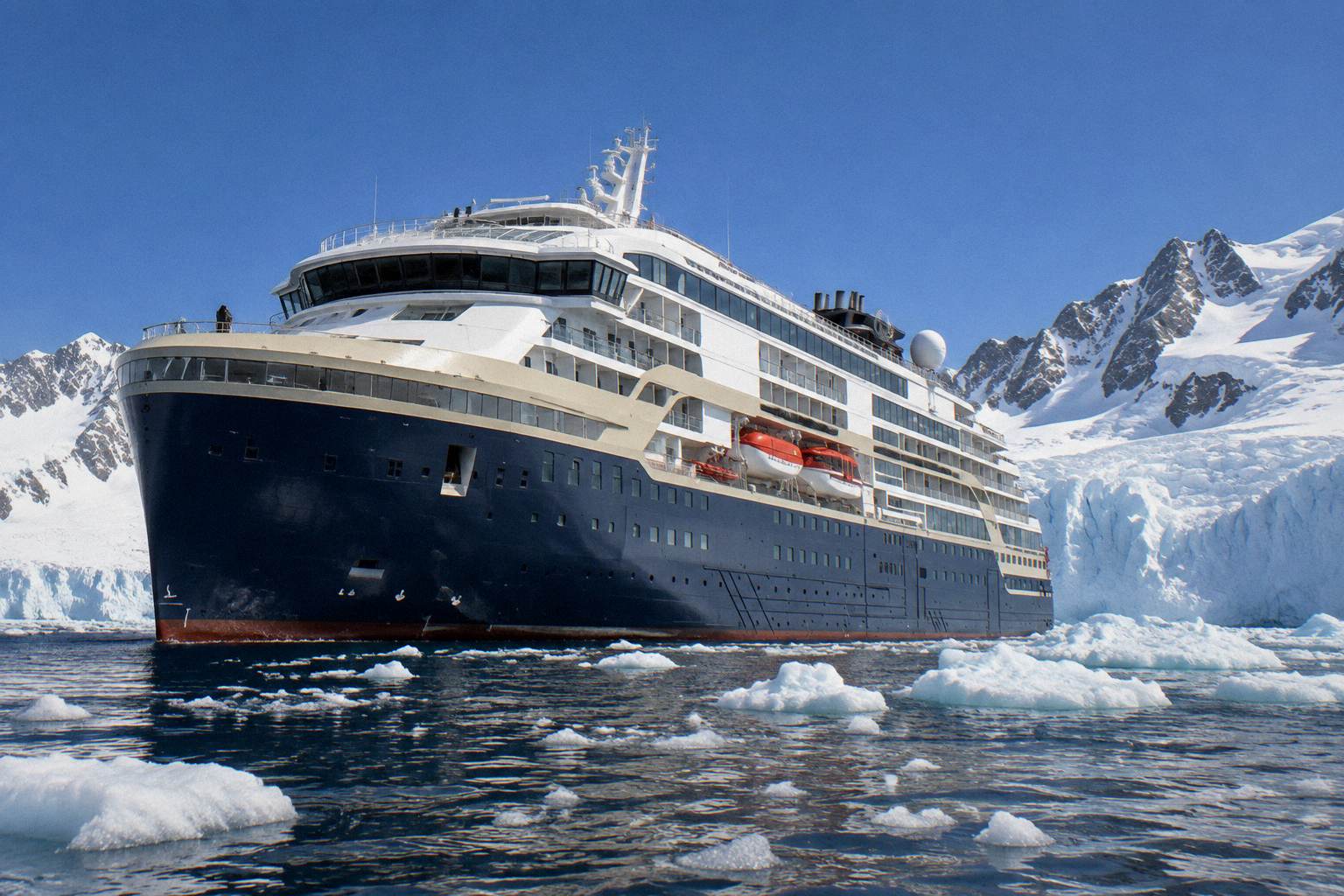 MS Fridtjof NansenHX (Hurtigruten Expeditions) MS Fridtjof NansenHX (Hurtigruten Expeditions) | 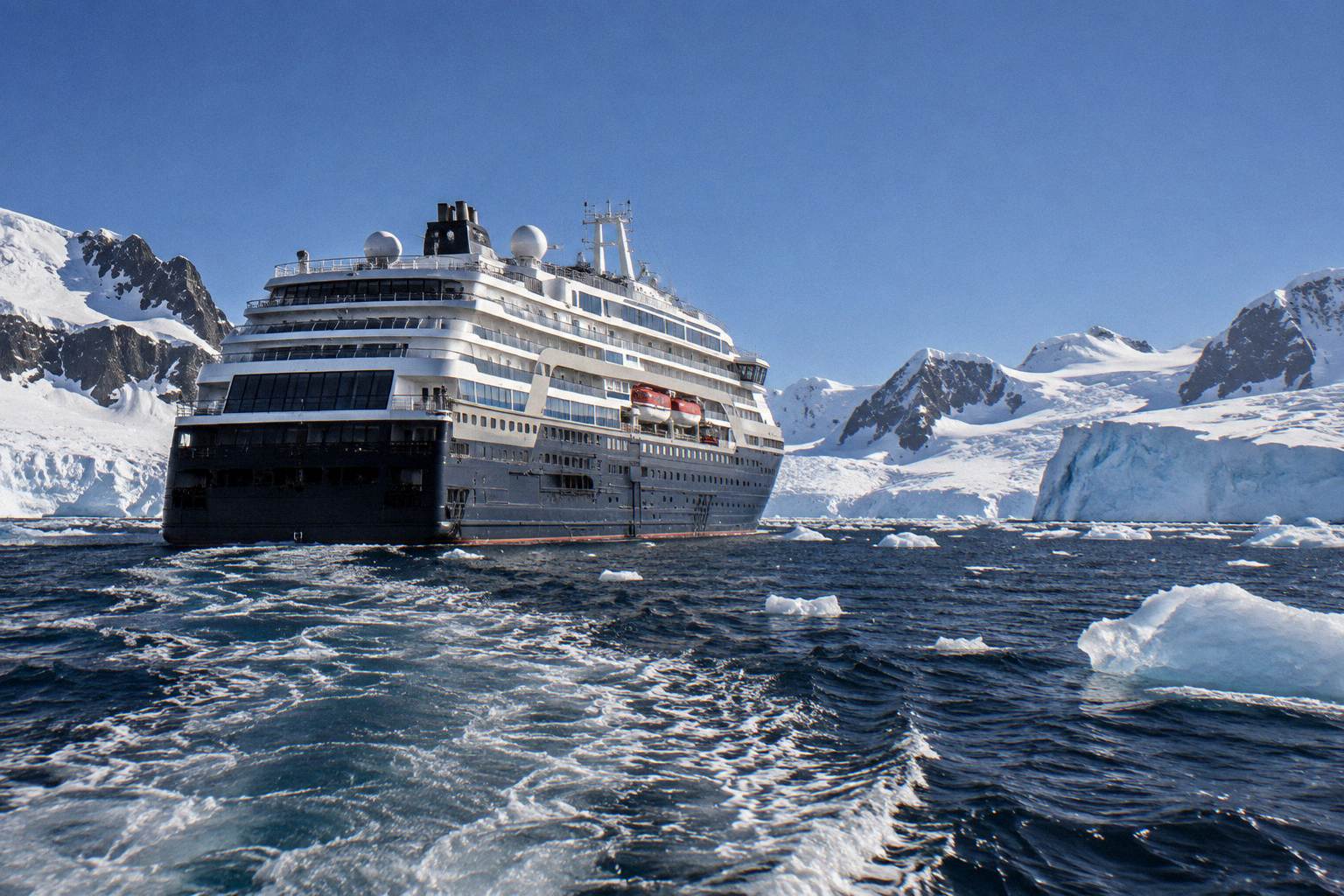 MS Roald AmundsenHX (Hurtigruten Expeditions) MS Roald AmundsenHX (Hurtigruten Expeditions) |
|---|---|---|
| Operator | HX (Hurtigruten Expeditions) | HX (Hurtigruten Expeditions) |
| Class | Standard Expedition | Standard Expedition |
| Passengers | – | – |
| Built | 2020 | 2019 |
| Ice class | – | – |
| From, per person | from $10,485 | from $10,863 |
| Departs from | Valparaíso, Buenos Aires | Buenos Aires, Ushuaia |
| Voyage length | 15 to 19 days | 12 to 16 days |
| Next step | Get a free quote for MS Fridtjof Nansen | Get a free quote for MS Roald Amundsen |
One scheduling note matters before anything else: the roster marks both ships' 2026-27 schedules as reported rather than confirmed on the operator page, unlike some fleets in the same list. Treat departure dates as indicative until you verify them, which is exactly what a free consultation can check for you before you commit to flights.
Who Each Ship Is Built For
Fridtjof Nansen suits the traveller who wants a longer, Falklands-and-Peninsula sweep and has the holiday allowance for 15 to 19 days at sea. Roald Amundsen suits the traveller who wants the classic Peninsula expedition in 12 or 16 days, with more departures spread across the season to fit a narrower window. Both carry 490 guests, so neither is the pick if a sub-200-berth small ship is what you are after.
Fridtjof Nansen is the newer of the two, built in 2020, and the operator's ship page presents it as a hybrid-powered expedition vessel with an infinity pool, hot tubs and a Science Centre with touch screens and a library. Its published Antarctica voyages run 15, 18 and 19 days, departing from Valparaíso and Buenos Aires, which points at itineraries that string together Chilean fjords, the Falklands and the Peninsula rather than a straight there-and-back dash. If a multi-week voyage that mixes regions appeals, this is the hull that carries it; the ship's own guide page covers the detail at Fridtjof Nansen ship guide.
Roald Amundsen, built in 2019, was the fleet's first hybrid vessel and the operator's ship page lists the same core facilities: the Restaurant Aune main dining room, Fredheim and Lindstrøm, an Explorer Lounge, a Science Centre, wellness space with sauna, a gym and an infinity pool with hot tubs. Its Antarctica voyages run 12 and 16 days from Buenos Aires and Ushuaia, the bread-and-butter Peninsula routes. A trade report on the 2026-27 season notes HX completed a record 34 Antarctica voyages the season before, with operations continuing on Fram, Roald Amundsen and Fridtjof Nansen, so both sister ships are active in the region rather than one being a spare.
Neither ship page publishes a total cabin count, so no berth figure can be printed here. With 490 guests against roughly 200 on many competitors, both ships sit at the large end of the expedition spectrum, a fact worth weighing against the landing rules described later in this guide.
Cabins And Suites
Both ships use the same cabin ladder: Expedition Suites at the top, many with private balconies and some with a hot tub, then balcony categories (XT, XTD, XY, XTJ) and outside cabins (TT, TY and similar). The operator's ship pages note about 50 percent of cabins on each ship have a balcony. Nobody should book either ship expecting a veranda by default; outside the balcony categories, the cabins are window or porthole cabins.
The categories run in parallel on the two hulls because they are sisters. On Fridtjof Nansen the Expedition Suites carry codes MA through MF, many with a private balcony and some with a hot tub on the terrace. Roald Amundsen uses the same suite codes and the same balcony-cabin series. The practical cabin decision is therefore not Nansen versus Amundsen but suite versus balcony versus outside, and that decision is identical whichever ship you end up on.
| Cabin tier | Codes (both ships) | Balcony? | Notes from the operator's ship pages |
|---|---|---|---|
| Expedition Suites | MA, MB, MC, MD, ME, MF | Many yes, some with hot tub | Top tier on both ships |
| Balcony cabins | XT, XTD, XY, XTJ | Yes | Roughly half the ship's cabins |
| Outside cabins | TT, TY and similar | No | Window or porthole cabins |
If a balcony matters to you, say so early when you plan, because the balcony categories are the ones that sell out first on popular December and January departures. A quick chat about cabin availability costs nothing and tells you whether the category you want still exists on your dates.
Food, Lounges, And Life Onboard
The dining line-up is the same on both ships: Restaurant Aune as the main restaurant with all meals included, Fredheim as the informal option, and Restaurant Lindstrøm as a fine-dining venue included for suite guests. Both ships also have a Pool Bar and takeaway. Neither page lists a theatre, and neither promises specialty dining beyond that trio, so expectations should be set at solid expedition-ship catering rather than luxury-line gastronomy.
Lounges follow the same pattern. Each ship has an Explorer Lounge & Bar, a Science Centre fitted with touch screens, library elements and space for workshops, a wellness area with sauna, and a Fitness Room. The infinity pool and hot tubs appear on both ship pages. In short, the onboard product is a matched pair; a traveller who enjoys one will not be surprised by the other. The honest reading is that you choose between these ships on schedule and price, not on any onboard difference, and the differences that do exist are covered in the itineraries section below.
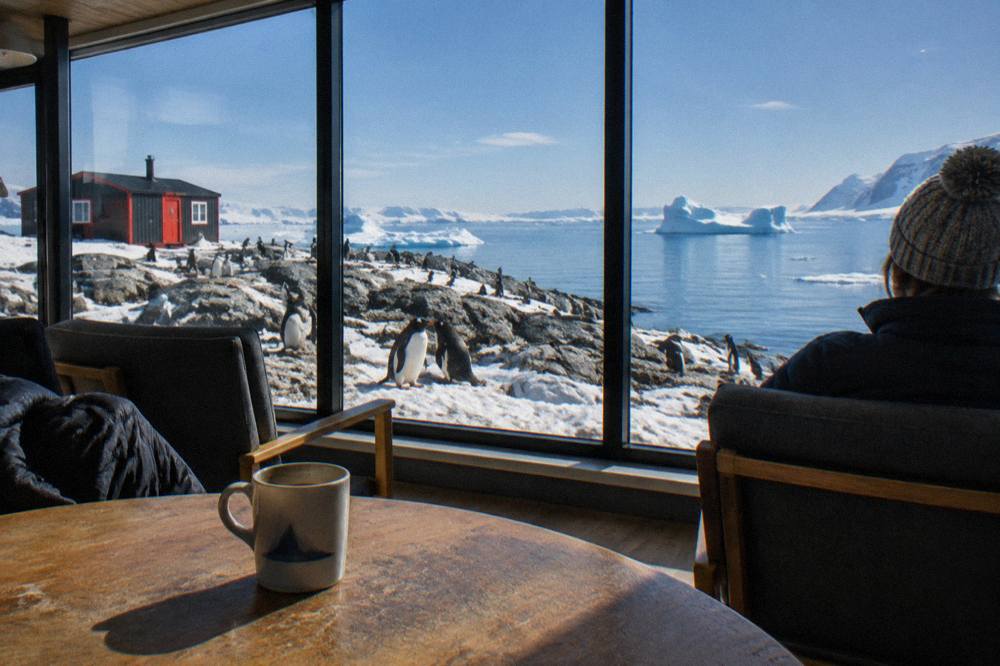
For context on where these ships sit in the wider market, the best Antarctica cruise guide sorts the fleet by traveller type, and HX lands in the mid-price standard expedition band rather than the luxury tier.
Itineraries And Routes
Fridtjof Nansen's published Antarctica voyages run 15, 18 and 19 days, departing from Valparaíso and Buenos Aires, which implies longer, multi-region routes. Roald Amundsen's run 12 and 16 days from Buenos Aires and Ushuaia, the classic Peninsula pattern. A fare read from the operator's listing showed Nansen's Antarctica & Falklands Expedition Cruise, Northbound, from $10,485 per person, and Amundsen's Iconic Antarctica, The Explorer's Route, from $10,863 across nine departures from October 2026 to December 2027.
Those two fares deserve a careful read because the cheaper ship is not the cheaper voyage (see Octantis Vs Fram). Nansen's lowest listed fare sits on a longer northbound sailing that includes the Falklands; Amundsen's sits on a Peninsula route. Per night, the shorter Amundsen voyage may well work out cheaper, and per landing day the comparison shifts again. The roster flags both fares as read from the operator's listing rather than independently verified, so treat them as orientation figures and confirm the current number for your specific departure before booking anything.
| Ship | Voyage lengths | Departure ports | Lowest fare read from the operator's listing |
|---|---|---|---|
| MS Fridtjof Nansen | 15 / 18 / 19 days | Valparaíso, Buenos Aires | From $10,485 pp (Antarctica & Falklands, Northbound) |
| MS Roald Amundsen | 12 / 16 days | Buenos Aires, Ushuaia | From $10,863 pp (Iconic Antarctica, The Explorer's Route) |
The route difference is the real decision. A 15-to-19-day Nansen sailing buys you the Falklands and the sea days between, while a 12-day Amundsen sailing spends the maximum possible time on the Peninsula itself. The Antarctic Peninsula cruise guide covers what those landing days actually look like, and the Drake Passage crossing guide covers the two days of open water each way that both ships must cross from Ushuaia.
Expedition Team, Landings, And Activities
The operator's ship pages list Science Centres on both ships but itemize no Zodiac count, kayaking, camping or other specific activity, so none can be claimed here. What is documented is the regulatory frame: vessels carrying more than 500 fare-paying passengers may not make landings in Antarctica, and no more than 100 passengers may be ashore from a vessel at any one time, with a one-to-twenty guide-to-visitor ratio.
Both ships carry 490 guests, which sits just under the 500-passenger ceiling. That matters because it means both ships can land passengers, but with 490 guests aboard, a full ship rotates ashore in groups, and the operator pages do not state how HX handles that rotation on these sailings. Travellers who want maximum time on the ground sometimes prefer ships of 130 to 200 guests for exactly this reason, a trade-off the Antarctica cruise cost guide unpacks alongside the fare differences.
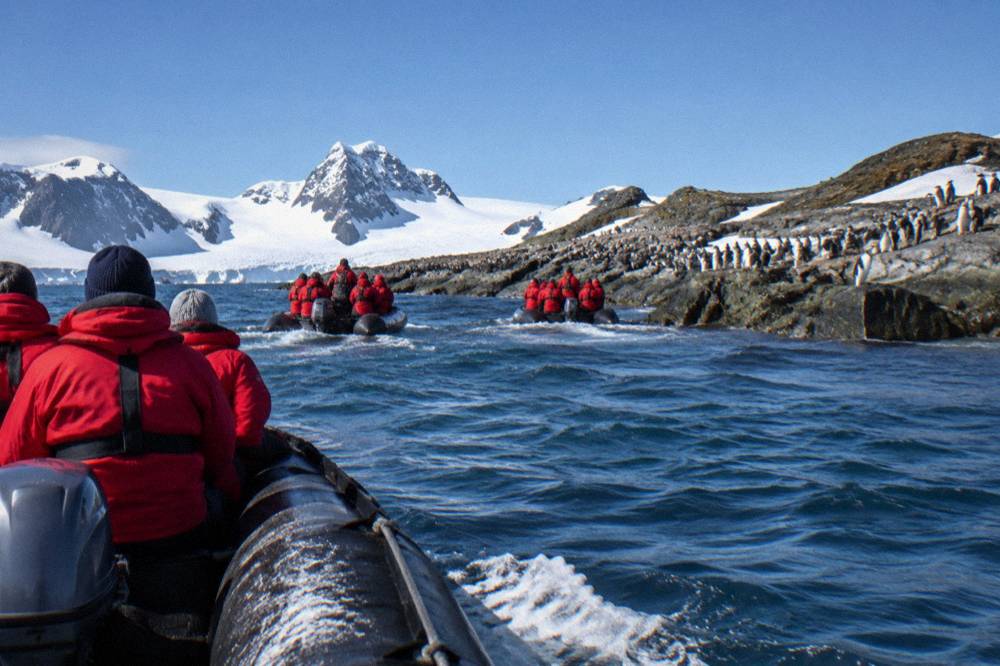
The landing rules come from the Antarctic Treaty system's visitor guidelines, which IAATO publishes and every operator follows. The same rules require biosecurity: boots and equipment washed before arrival and cleaned again between sites, and at least five metres kept from wildlife on land. A trade report on the 2026-27 season also notes IAATO's new voluntary geofenced whale area around the South Orkney Islands with a 10-knot speed limit, which both ships' bridge teams will observe on affected routes.
Prices And What The Fare Includes
The lowest fares read from the operator's listing are about $400 apart, roughly $10,485 per person on Fridtjof Nansen and roughly $10,863 on Roald Amundsen, but they sit on different voyages of different lengths, so they are not directly comparable. The operator's ship pages do not itemize fare inclusions for these ships: drinks, gratuities, parkas, boots and flights are not listed either way, so no inclusion can be stated as fact.
What can be said is that the onboard dining pages describe all meals as included in both ships' main restaurants, with Lindstrøm fine dining included for suite guests. Beyond that, the pages go quiet, and a 2026 cost guide reports that travel insurance with medical evacuation cover is required or recommended by most operators and is not included in base fares. Insurance with a high evacuation minimum is a real line item to budget, whoever you sail with.
| Cost item | MS Fridtjof Nansen | MS Roald Amundsen |
|---|---|---|
| Lowest fare read from the operator's listing | From $10,485 pp | From $10,863 pp |
| Voyage behind that fare | Antarctica & Falklands, Northbound, 15+ days | Iconic Antarctica, The Explorer's Route, 12 or 16 days |
| Meals | Included (Aune, Fredheim); Lindstrøm included for suites | Included (Aune, Fredheim); Lindstrøm included for suites |
| Drinks, gratuities, flights | Not itemized on the operator's ship page | Not itemized on the operator's ship page |
| Insurance | Not included; evacuation cover required or recommended by most operators | Same |
Because the published figures are unverified reads and promotions move fares week to week, the honest way to price either ship is to check the live numbers for your exact departure. A free fare check on your dates does that without obligation.
The Real Differences
There are five differences that actually matter: build year, route structure, departure ports, voyage lengths and the fare each lowest listing sits on. Everything else, from cabins to restaurants to the pool, is shared design. A traveller who asks which ship is better is really asking which schedule is better, because on the water the two are near-identical.
Here are the concrete contrasts:
- Build year. Roald Amundsen was built in 2019, Fridtjof Nansen in 2020, per the operator's ship pages. A one-year gap between sisters changes nothing a guest would notice.
- Voyage lengths. Nansen lists 15, 18 and 19-day Antarctica voyages; Amundsen lists 12 and 16 days. Nansen is the long-holiday ship, Amundsen the fixed-fortnight ship.
- Departure ports. Nansen sails from Valparaíso and Buenos Aires; Amundsen from Buenos Aires and Ushuaia. A Valparaíso start implies a Chilean fjords segment before the southbound run.
- Route content. Nansen's lowest-listed fare sits on a Falklands-inclusive northbound voyage; Amundsen's sits on a Peninsula route. Different trips, not different prices for the same trip.
- Lowest listed fares. Roughly $10,485 versus roughly $10,863 per person as read from the operator's listing, a gap of about $400 that flips or widens depending on category and promotion.
- Departure spread. The Amundsen fare was read across nine departures from October 2026 to December 2027, suggesting more date flexibility on that ship's core route.
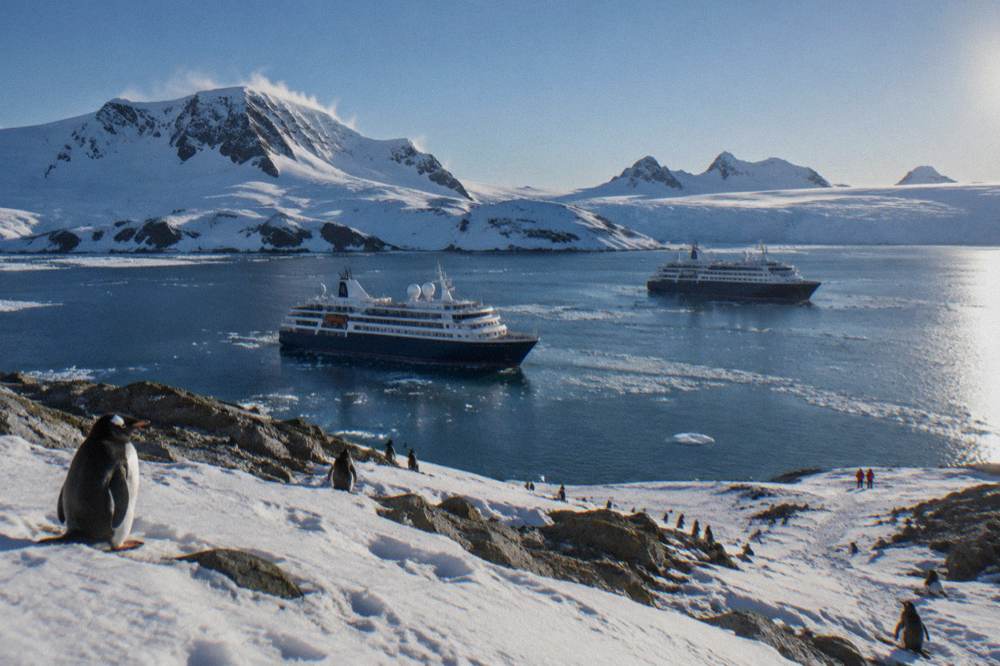
And the honest note: on cabins, dining, lounges, Science Centre, pool and gym, the two ships are near-identical by design. Anyone choosing between them on onboard grounds is choosing between twins.
Which One To Choose By Travel Style
Choose Fridtjof Nansen if you have 15 to 19 days and want the Falklands and Chilean waters woven into one voyage; choose Roald Amundsen if you have two weeks or less and want the most Peninsula days per travel day. Families balancing school holidays, photographers chasing specific months and first-timers testing the water each map to a different pick, and the table below makes the match.
| Traveller type | Better pick | Why |
|---|---|---|
| Two-week holiday traveller | MS Roald Amundsen | 12-day Peninsula voyages fit a fixed fortnight |
| Long-holiday region collector | MS Fridtjof Nansen | 15-19-day routes add the Falklands and Chilean fjords |
| First-timer on a budget | Either, by fare | Compare the live fare for your dates, not the ship |
| Wildlife-focused visitor | MS Roald Amundsen | Fewer sea days, more days in Peninsula wildlife waters |
| Traveller prone to seasickness | Either, with a caveat | Both cross the Drake; see the Drake Passage guide |
| Suite traveller | Either | Same suite categories, same Lindstrøm inclusion |
Whichever way you lean, the decision worth getting right is the departure, not the hull. The schedules of both ships shift season to season, and the right cabin on the right date sells out first.
Common Questions About The Two HX Sister Ships
MS Fridtjof Nansen Vs MS Roald Amundsen: Which HX Sister Ship?
Roald Amundsen for shorter 12 and 16-day Peninsula voyages, Fridtjof Nansen for 15 to 19-day routes that include the Falklands and Chilean waters. Onboard, the ships are near-identical: same 490-guest capacity, same restaurants, same Science Centre and pool.
Are the two ships the same size?
Both carry 490 guests, and the operator's ship pages describe the same cabin ladder and facilities on each. The operator's pages do not publish total cabin counts or an ice class for either ship, so those fields cannot be compared.
Which ship is cheaper?
The lowest fares read from the operator's listing were about $10,485 per person on Fridtjof Nansen and about $10,863 on Roald Amundsen, but they sit on different voyages of different lengths, so the per-night cost depends on the departure. Both figures were read from the operator's listing and should be rechecked for your dates.
Can 490-passenger ships land passengers in Antarctica?
Yes. The Antarctic Treaty visitor guidelines prohibit landings only for vessels carrying more than 500 fare-paying passengers, and both ships sit under that line. No more than 100 passengers may be ashore at one time, with a minimum one-to-twenty guide-to-visitor ratio.
Do both ships have balconies?
About half the cabins on each ship have a balcony, according to the operator's ship pages, concentrated in the XT, XTD, XY and XTJ categories and in many Expedition Suites. Outside cabins in the TT and TY series do not.
Are drinks and flights included in the fare?
The operator's ship pages do not itemize fare inclusions for these ships, so no inclusion can be stated. Meals in the main restaurants are described as included, and a 2026 cost guide reports that travel insurance with medical evacuation cover is required or recommended by most operators and is not in the base fare.
More Head To Head Comparisons
 Silversea Vs SeabournTwo ultra-luxury expedition lines compared: ships, routes, expedition programmes and fare value.Read the comparison
 Viking Vs SilverseaTwo premium expedition lines compared on specs, routes, activities and published fares.Read the comparison
 Viking Vs HXViking's twin 378-guest ships against HX's Fram and hybrid fleet, compared on price, cabins and landings.Read the comparison
 Quark Vs OceanwideUpscale helicopters versus small-ship value: how the two Antarctic specialists really differ.Read the comparison